Tattoo Stencil Ideas: 45 Designs, Styles & How to Choose
Explore 45 tattoo stencil ideas with visual examples, placement tips and a checklist. Find a style, then create an AI tattoo reference to discuss with your artist.
Quick answer
Simple floral outlines, animal silhouettes, geometric patterns, lettering, and bold traditional motifs are all useful starting points. The best choice depends on the look you want, the size you are considering, the body area, and your artist's advice. A design reference is not a tattoo-ready transfer stencil.
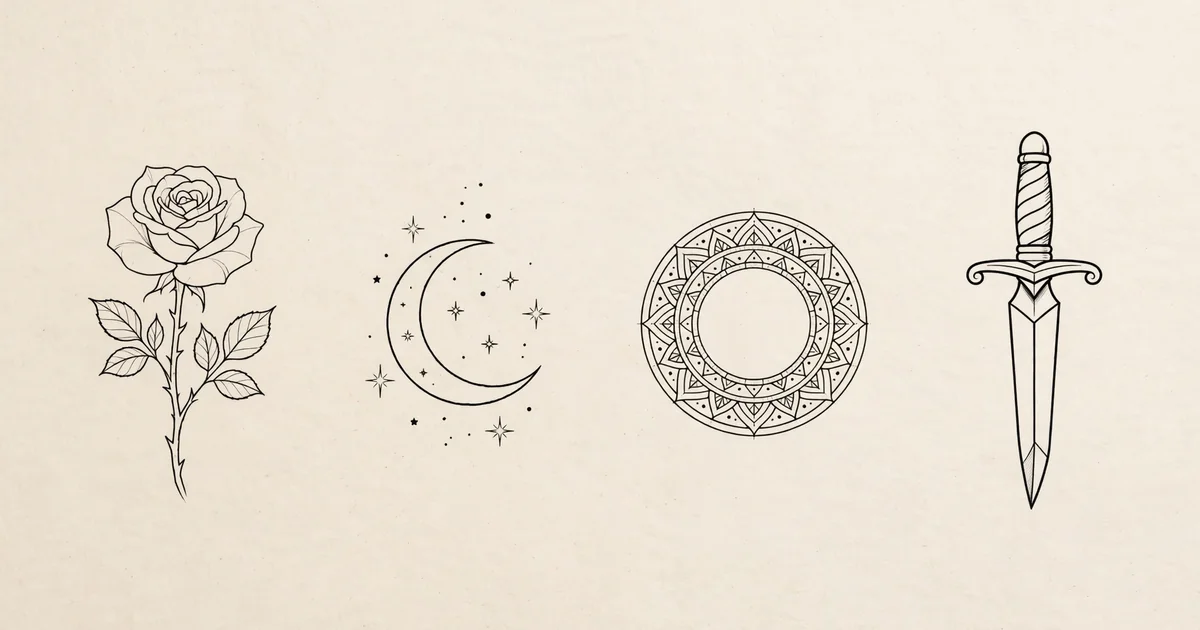
Looking for tattoo stencil ideas? Start with a design you love, then think about how its shape, scale, and details might fit your chosen placement. A strong reference does not have to be a finished stencil: it simply needs to communicate the artwork clearly enough for you and your tattoo artist to discuss it.
It helps to keep three things apart: tattoo inspiration (designs you like), a reference image (a clear visual you bring to a consultation), and a professional stencil (the transfer guide your artist prepares for the actual tattooing). This article is about the first two — finding ideas and turning them into references worth discussing.
Quick Picks: Find Your Tattoo Idea
| If you want… | Start with… | Next step |
|---|---|---|
| A subtle first tattoo | Single-line rose, crescent moon, mountain silhouette | Check whether the detail is readable at your preferred size |
| A nature-inspired piece | Bird, eucalyptus sprig, wave, mushroom and fern | Compare vertical and horizontal compositions |
| A bold statement | Traditional rose, dagger, panther, swallow | Discuss line weight and placement with your artist |
| Meaningful lettering | A word, verified date, coordinates | Proofread everything in the free tattoo font generator |
| A cohesive sleeve | Floral centerpiece, geometric band, ornamental fillers | Plan the composition with your artist before individual details |
Have a concept in mind? Create an AI tattoo design reference to explore the composition. The generated image is inspiration, not a tattoo-ready stencil.
45 Tattoo Design Ideas by Style
The ideas below are grouped by visual style. Use them as a shortlist rather than a set of rules: your artist can help adapt the composition, line weight, and details to the final placement.
1. Simple and Minimalist Ideas (8)
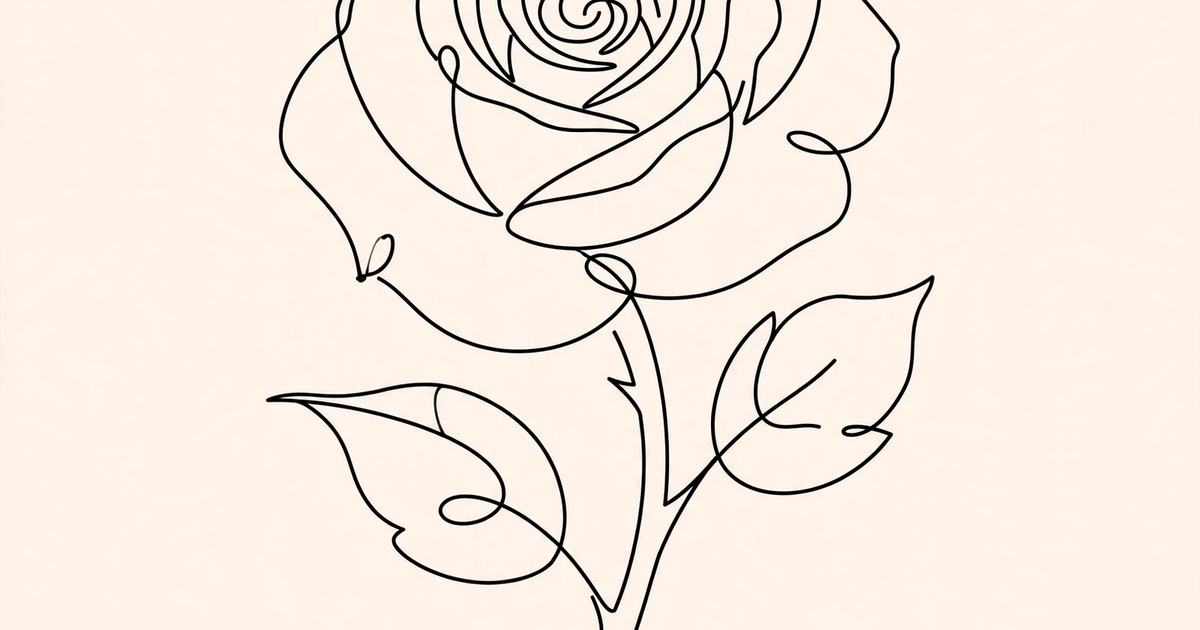
- Single-line rose: A flowing outline with one recognizable bloom.
- Crescent moon and star: A compact composition with clear negative space.
- Tiny heart: A classic symbol that can be customized through proportion.
- Mountain silhouette: A low, horizontal shape suited to a simple composition.
- Paper airplane: A playful outline with a strong directional feel.
- One-line face: An abstract portrait made from continuous contours.
- Lightning bolt: A sharp, graphic mark with minimal detail.
- Cat-ear outline: A subtle animal reference without a full portrait.
Design tip: Minimal does not automatically mean tiny. Very small spacing can become difficult to read, so test the design at your intended approximate size and discuss it with your artist.
2. Nature-Inspired Ideas (8)
- Pine tree silhouette: A vertical design with a recognizable profile.
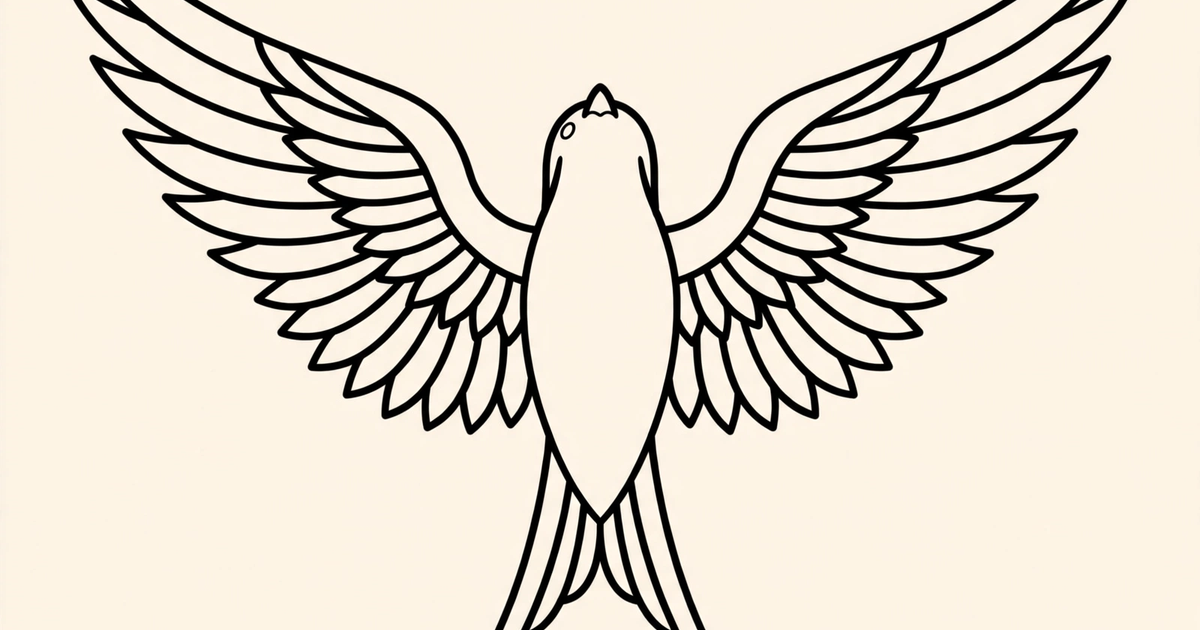
- Bird in flight: A simple outline that emphasizes movement.
- Eucalyptus sprig: Graceful leaves following a curved stem.
- Moon phases: Repeated forms that can run vertically or horizontally.
- Feather: A light, elongated shape with optional internal detail.
- Mushroom and fern: A woodland pairing with contrasting textures.
- Ocean wave circle: A wave framed inside a simple circular boundary.
- Flock of birds: Several small silhouettes arranged to suggest motion.
Design tip: Botanical and animal references work best when the essential silhouette remains recognizable. Decide whether you prefer naturalistic details or a simplified graphic interpretation.
3. Geometric Ideas (8)
- Mandala-inspired rings: Concentric ornamental geometry.
- Honeycomb cells: A repeating hexagon motif.
- Triangle and circle: A balanced arrangement of basic shapes.
- Flower-of-life-inspired pattern: Interlocking circles with a clear rhythm.
- Arrow and chevron: Directional geometric marks.
- Overlapping circles: A restrained abstract composition.
- Diamond band: Repeating angular shapes that can follow a limb.
- Wireframe cube: A three-dimensional illusion built from straight lines.
Design tip: Symmetry and spacing are especially noticeable in geometric artwork. Placement on a curved body surface may change how a design looks from different angles, so confirm the final layout with your artist.

4. Script and Symbol Ideas (8)
- A single meaningful word: Explore different lettering moods before choosing one.
- Roman numeral date: Double-check the conversion and the original date.
- Zodiac symbol: Choose a form you recognize and can verify.
- Infinity symbol: Consider whether a plain or ornamented version suits you.
- Coordinates: Verify every digit and the intended location.
- Short quotation: Prioritize legibility and accurate spelling.
- Ampersand: A typographic symbol that can stand alone as art.
- Single character: Verify meaning, language, orientation, and exact glyph with a qualified speaker or expert — have a native speaker or your artist double-check any foreign words before you commit.
Design tip: Lettering deserves a separate proofreading step. Check names, dates, punctuation, translations, and numeral conversions before sending the design to your artist.
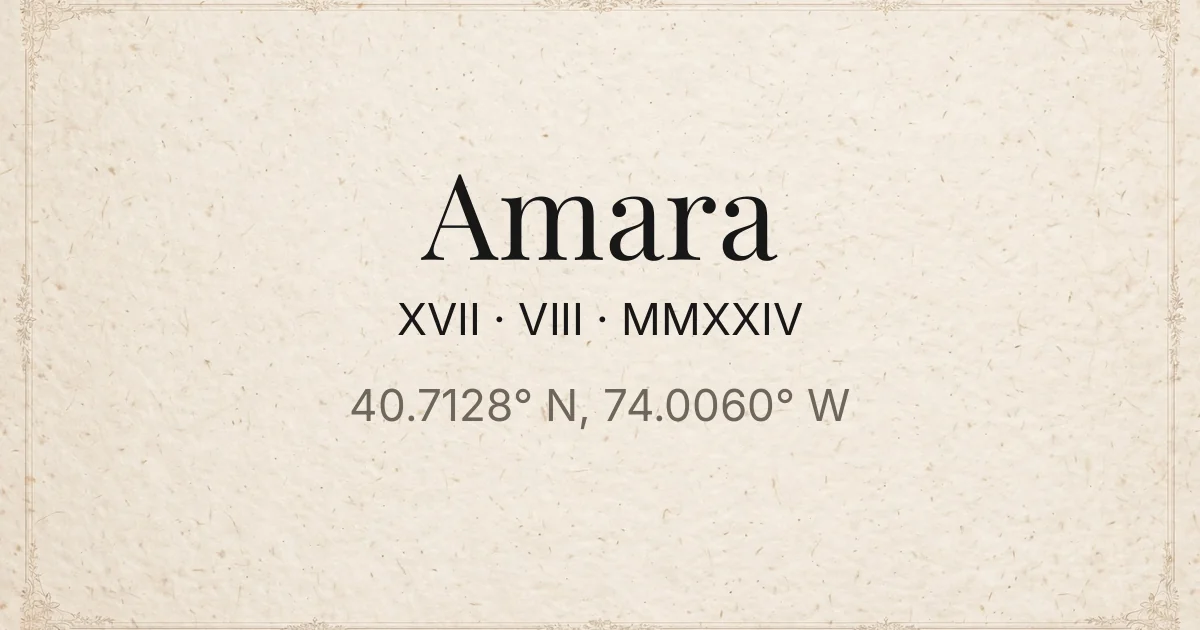
Want to explore lettering? Try TattooDoodle's Tattoo Font Generator and compare styles before choosing a reference.
5. Bold and Traditional Ideas (8)
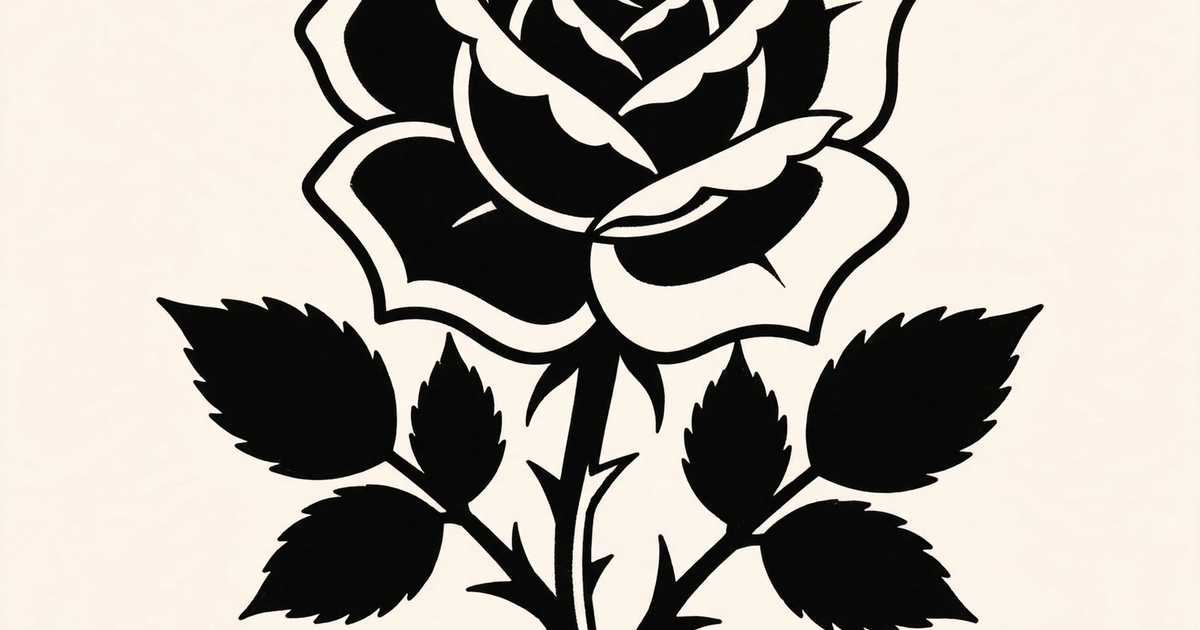
- Traditional rose: Defined petals and a confident outer shape.
- Ornamental dagger: A strong vertical centerpiece.
- Coiled snake: A flowing design that can wrap around other elements.
- Simplified skull: A bold motif with adjustable detail.
- Symmetrical butterfly: A balanced silhouette with patterned wings.
- Geometric arm band: Repeated shapes designed around a limb.
- Panther head: A classic bold tattoo subject.
- Swallow with banner: A traditional motif that can incorporate verified lettering.
Design tip: Bold black areas and thin details create different visual effects. Ask your artist how contrast, size, and placement will affect the final design. Avoid using culturally specific motifs without understanding their meaning and context.
6. Small Filler Ideas (5)
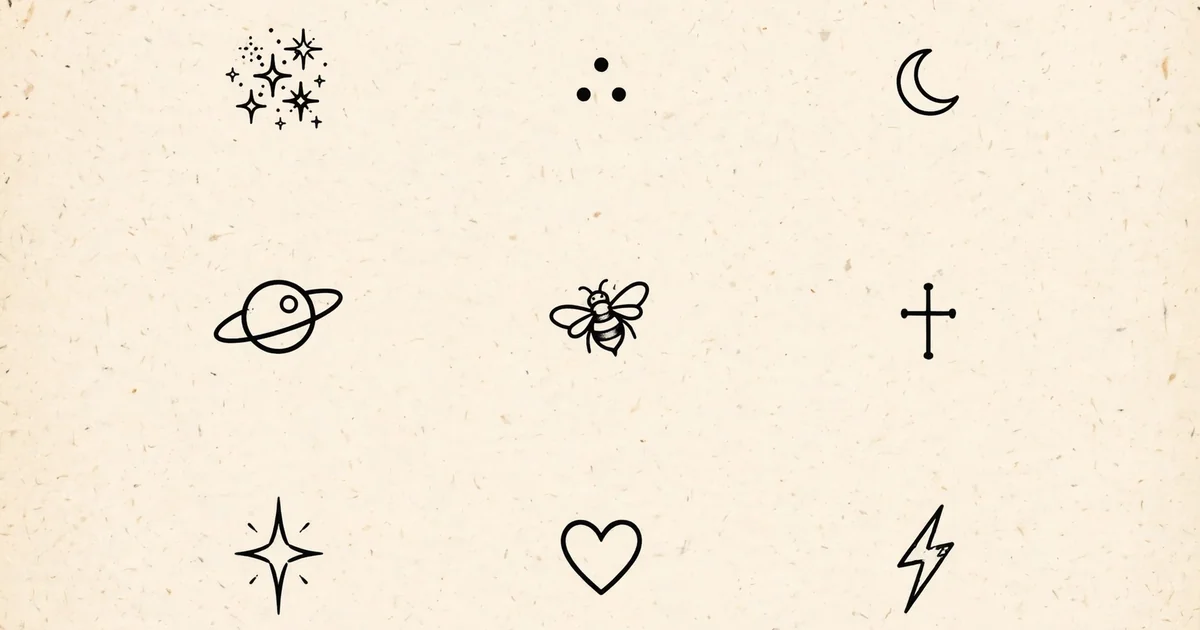
- Star cluster: Small marks that can connect surrounding pieces.
- Ornamental divider: A compact accent between larger designs.
- Simple cross or plus sign: A minimal geometric mark.
- Planet and orbit: A compact celestial idea.
- Tiny bee: A small recognizable insect silhouette.
Design tip: A filler should complement nearby work, not compete with it. Consider the direction, spacing, and style of any existing tattoos.
Turn Inspiration Into a Tattoo Reference
Explore design ideas and save a clear reference image for your tattoo consultation.
How to Choose by Placement
A design that looks balanced on a flat page may look different on a curved or moving part of the body. Use these ideas as a starting point for discussion — not as guarantees of what will work on skin.
| Placement | Design directions to explore | What to discuss with your artist |
|---|---|---|
| Forearm | Vertical flowers, daggers, snakes, lettering | Orientation, visibility, wrap, and final scale |
| Wrist or ankle | Symbols, short words, small botanicals | Readability, movement, spacing, and comfort |
| Shoulder or chest | Floral compositions, animals, ornamental forms | How the design follows anatomy |
| Half sleeve | Connected motifs and background elements | Overall flow, transitions, and coverage |
| Back | Larger compositions, asymmetrical or symmetrical designs | Balance, positioning, and viewing distance |
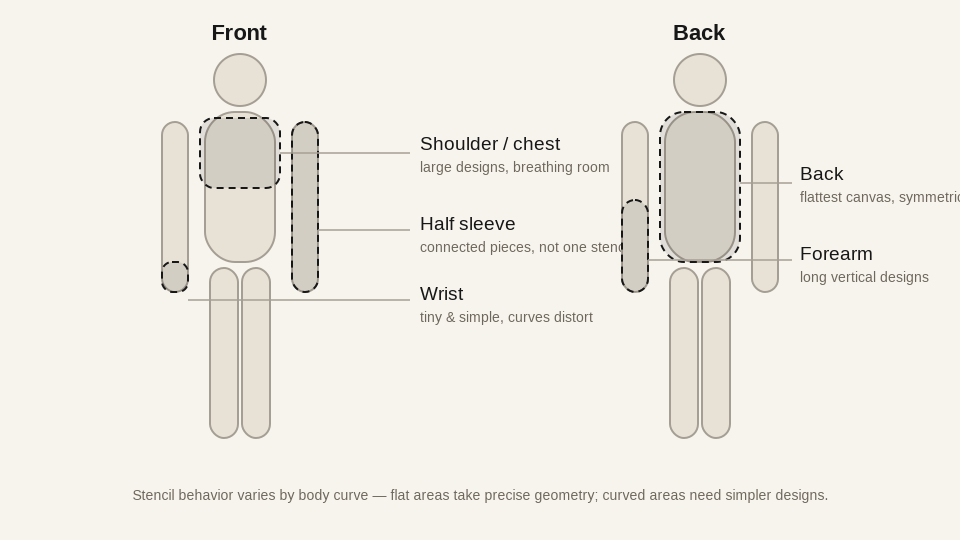
For more on specific placements, see the forearm tattoo stencil guide and the half sleeve tattoo stencil guide.
Blackwork, Fine Line, and Outline References
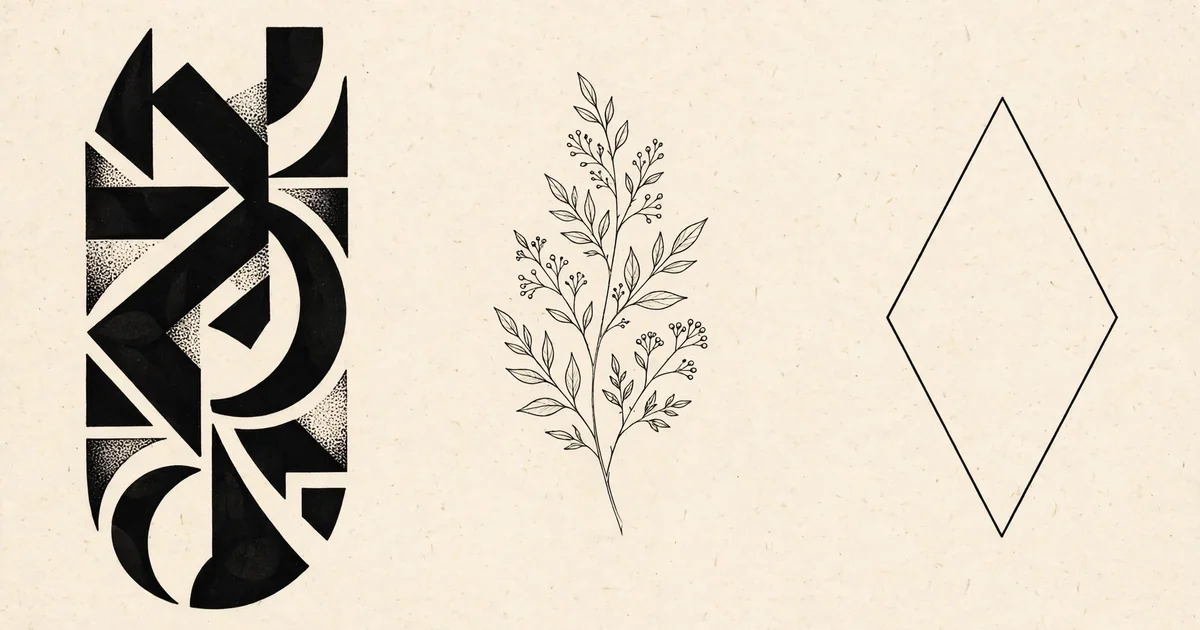
A black-and-white drawing is often useful because it makes the main shapes easy to compare. But a tattoo concept does not have to be only black outlines. Fine-line, shaded, colorful, and painterly references can also communicate what you want.
- Blackwork: Emphasizes black shapes, contrast, and negative space.
- Fine line: Uses delicate contours and often more restrained visual weight.
- Outline-first concepts: Help communicate silhouette and composition before other details are resolved.
Your tattoo artist will decide how to prepare an appropriate transfer or stencil for the final artwork and technique.
Printable Outline Ideas: What Home Prints Can and Cannot Do
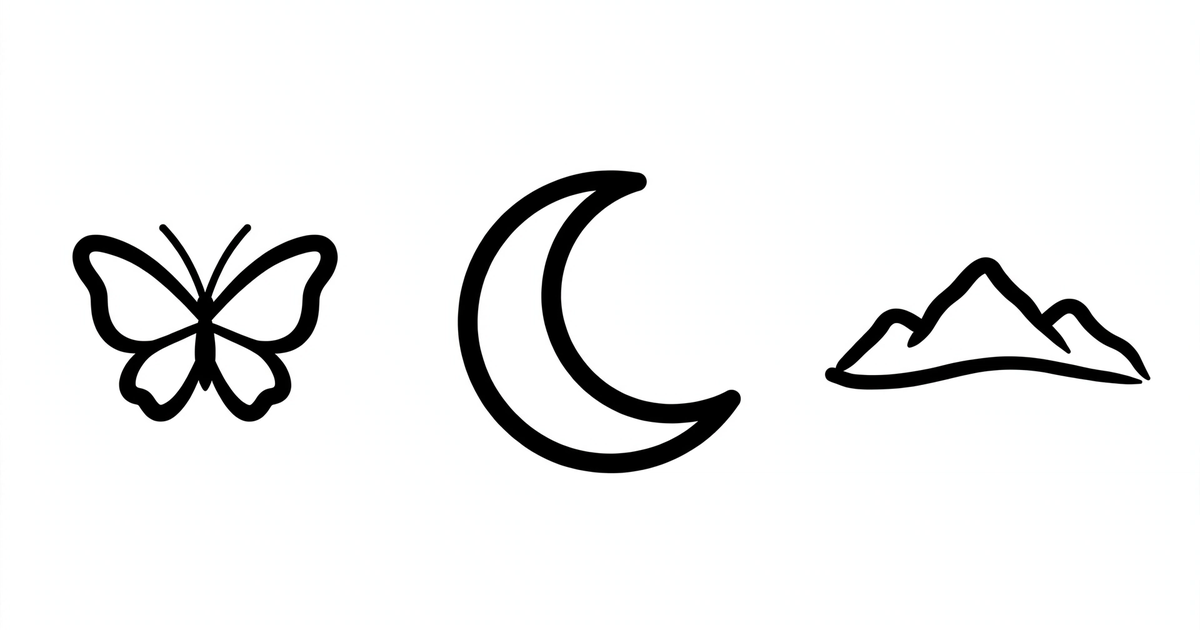
A home printout can help you compare compositions on paper or hold a design near a potential placement for a rough visual impression. It does not establish a reliable final tattoo size, and an ordinary printed image is not a professional tattoo transfer stencil.
For an at-home reference:
- Choose a design with clear visible shapes.
- Print it at a known paper size if you want to discuss approximate dimensions.
- Compare different placements visually without treating the result as precise.
- Bring the reference and your preferences to your tattoo artist for final sizing and stencil preparation.
Avoid prolonged skin contact with adhesive or materials not intended for skin use. For precise placement and application, rely on your artist's process.
Checklist: What Makes a Useful Tattoo Reference?
Before your consultation, check that your reference answers these questions:
- Subject: Can you clearly identify the main motif without explaining every detail?
- Style: Is the look closer to fine line, bold traditional, blackwork, geometric, or another style?
- Placement: Do you know the body area and whether the design should be vertical, horizontal, or wrap around?
- Scale: Have you discussed an approximate size without assuming a screen preview is accurate?
- Text: Are names, dates, coordinates, translations, and symbols verified?
- Flexibility: Which details are essential, and which can your artist adapt for the skin?
From Inspiration to a Tattoo Artist Reference
Once you have a direction, turn it into something easy to discuss:
- Choose a style: Save a few examples from the categories above.
- Explore a concept: Use TattooDoodle's AI tattoo generator for an initial design idea.
- Check lettering: If your design includes words, names, dates, or symbols, verify every character.
- Preview placement (optional): Use the tattoo simulator photo preview as a visual aid, not a size guarantee.
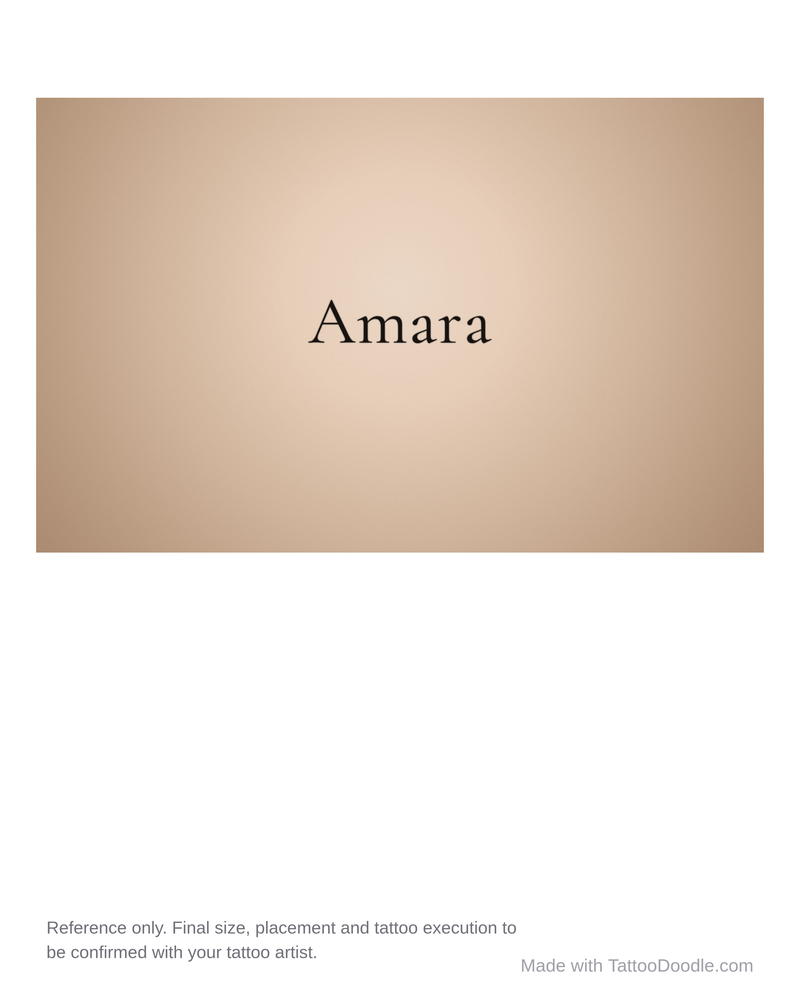
- Prepare a reference card: Include the design, intended placement, color preference, and notes.
- Confirm with your artist: Discuss size, placement, details, final artwork, and stencil preparation.
Three Ways to Turn an Idea Into Your Own Reference
Starting from an image in this guide? Note the elements you like, then try the AI tattoo generator to explore an original composition. Avoid asking for a direct copy of another artist's work.
Starting from a name or phrase? Use the free tattoo font generator to compare lettering and export a high-resolution reference. Your artist should prepare the final stencil.
Unsure about placement? Use the tattoo simulator for a rough visual preview, then confirm actual scale and placement in person.
Frequently Asked Questions
What is the difference between a tattoo design reference and a stencil?
A reference shows the artwork or visual direction you want. A tattoo stencil or transfer guide is prepared for the tattooing process, typically by the artist using the final design and placement requirements. They are not interchangeable.
Do tattoo stencil ideas have to be simple black outlines?
No. Clear outlines can help communicate a design, but artists work with many styles and may prepare transfers differently. The suitability of a design depends on its detail, size, placement, and technique.
Can I print a tattoo design at home?
Yes, as a paper reference for comparing ideas or discussing approximate dimensions. A regular home printout should not be treated as a professional transfer stencil or a guarantee of final sizing.
How do I choose between a small and a detailed tattoo?
Consider what needs to remain readable, where the design will sit, and how much detail matters to you. Ask your artist to evaluate the proposed scale and composition.
What should I bring to my tattoo appointment?
Bring a few clear design references, your preferred placement, any meaningful text checked for accuracy, and notes about the elements you want to keep or change. Your artist will guide the final design and preparation.
Related Guides
- Flower Tattoo Stencil Guide — floral stencil ideas by placement
- Tattoo Templates Guide — the draft-first method for new designs
- Half Sleeve Tattoo Stencil — planning connected arm pieces
Make your own
Explore a tattoo concept with the AI generator (free usage is limited), preview lettering with the free font tool, or try a placement preview. AI design references are not professional tattoo-ready stencils.